Choosing the Right Hypoallergenic Pillow Fill: A Brand-Backed Guide
A practical, brand-informed exploration of hypoallergenic pillow fillings, balancing comfort, breathability, and care. Drawing on the work of Savvy Rest, Sleep and Beyond, Naturepedic, Coyuchi, and related brands, this guide helps readers choose fillings that align with sleep position, temperature needs, and allergy considerations.
How to think about hypoallergenic fillings
Hypoallergenic pillow fillings are not a single solution; they are a family of materials engineered to minimize allergic triggers while maintaining comfort and support. The modern market blends natural fibers, plant-based options, and synthetic fibers to offer sleepers options that regulate temperature, resist dust mites, and maintain loft over time. The guiding question is not whether a material is “natural” or “synthetic” but how it behaves throughout a night’s sleep for your body, your position, and your bedroom climate.
Brand-backed fillings—such as Kapok from Savvy Rest, shredded latex options in combination with Tencel or other breathable shells, organic wool from Sleep and Beyond or Savvy Rest, and down-alternatives in multiple proprietary blends—provide a framework for evaluating pillows. The emphasis remains steadfast: safety, durability, maintenance, and the relationship between fill, cover, and loft. When brands stand behind their fillings with certifications and clear sourcing stories, they give readers a reference point to compare claims with observable performance.
Core hypoallergenic fillings: strengths, trade-offs, and care
Kapok
Kapok is a natural plant-based fiber harvested from seed pods. It is light, buoyant, and provides a soft, breathable loft. Kapok is often used by brands emphasizing organic and natural materials, and it offers a cool sleep surface due to its airy structure. The primary considerations are that Kapok can compress over time and may require occasional topping or re-fluffing to maintain loft. It is a favored fill for those seeking a sustainable, plant-based option without animal products.
Brand case: Savvy Rest offers Kapok pillows that are fully organic and adjustable, allowing users to customize loft and firmness. This flexibility makes Kapok a strong candidate for combination sleepers who want to tailor support over time.
Shredded Latex
Shredded latex forms a responsive core that holds shape well while remaining breathable. Its loft is adjustable by adding or removing fill. Because latex resists dust mites and mold, it is a natural fit for allergy-conscious bedrooms. The shredded form, however, requires careful topping with a breathable outer cover to maximize air flow and prevent packing.
Brand case: Coyuchi and related articulate lines showcase shredded latex in blend formats with eucalyptus-based shells and cotton covers, emphasizing breathability and easy care. The result is a pillow that maintains a supportive angle for neck alignment across sleep positions.
Wool
100% wool, especially when sourced from eco-conscious producers, provides natural temperature regulation and a softly cushioning feel. Wool stays breathable across seasons, keeping warmth in winter and cool air in summer. Wool fibers can compress over time, but many brands address this with outer casings and adjustable shells so you can modify loft as needed.
Brand case: Sleep and Beyond and Savvy Rest offer wool-filled pillows with adjustable loft, pairing wool with organic cotton or sateen casings. The wool fills are often described as durable, hypoallergenic, and supportive for side and back sleepers.
Down-alternative blends
Down-alternative fills combine synthetic fibers or plant-derived blends to imitate the plush feel of down while addressing sensitivities or ethical concerns around animal products. Modern blends can offer excellent loft, resilience, and easy care, with some brands incorporating moisture-wicking and breathable shells to manage heat during the night.
Brand case: Rejuvenation and Original Pillow-style designs by various brands demonstrate how a down-alternative can deliver both softness and reliable loft across different sleep postures, while remaining machine washable and durable for daily use.
Position-by-position guidance: matching fillings to sleep posture
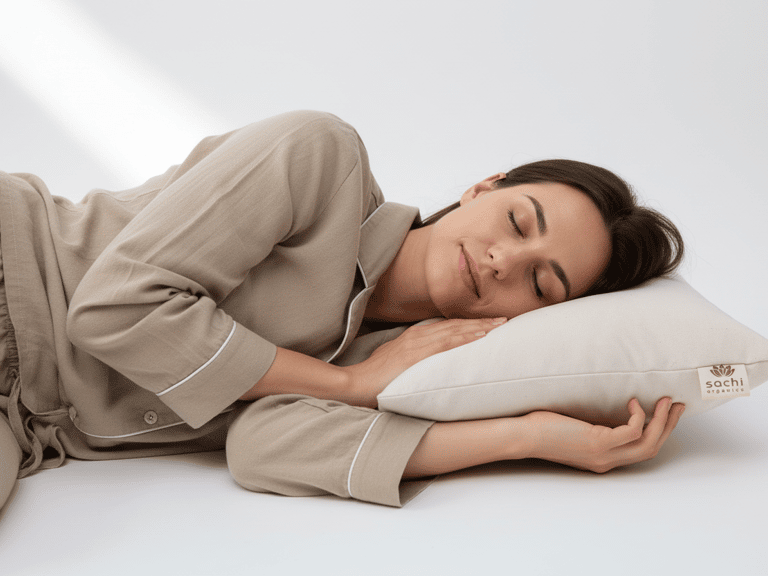
Back sleepers typically benefit from a pillow with moderate height and contour to support the neck without forcing the head forward. Side sleepers often require a firmer, higher loft pillow to keep the spine aligned, while stomach sleepers usually need a flatter, softer option to avoid neck strain. Kapok, shredded latex, wool, and down-alternative blends each offer a different balance of loft, firmness, and temperature regulation. Brand-backed lines help sleepers dial in a choice that aligns with personal comfort and health goals.
-
Kapok for back sleepers: Adjustability and breathability help prevent overheating while maintaining gentle support.
-
Shredded latex for side sleepers: A firmer, loft-stable core that preserves neck alignment.
-
Wool for combination sleepers: Temperature regulation that adapts across the night with a soft, cushioning feel.
-
Down-alternative for stomach sleepers: Lower loft, softer feel, but with enough structure to avoid chin thrust.
Care, durability, and maintenance: how to care for hypoallergenic fillings
Maintenance is a practical pillar of pillow longevity. Natural fibers like wool require careful care—spot cleaning and occasional airing—while Kapok and Kapok-based blends may benefit from refreshing loft through gentle fluffing and proper cover protection. Shredded latex can be refreshed by redistributing the fill within the cover, and down-alternative blends tend to respond well to standard machine washing and thorough drying. The brands highlighted here emphasize care instructions and labeling that guide users toward best results, with certifications and sourcing transparency serving as a compass for responsible upkeep.
Environmentally conscious care routines—such as using pillow protectors, duvet covers, and breathable shells—help extend a pillow’s life and preserve loft. The brands noted in this guide frequently include care sheets with precise temperatures, cycle settings, and drying guidelines to maintain fill integrity and prevent clumping or odor buildup over seasons.
Quick decision checklist: choosing a hypoallergenic pillow fill
- Identify your sleep position and typical loft preference (low, medium, high).
- Consider temperature regulation needs: do you sleep hot or cool, and how does the filling handle heat?
- Evaluate allergy considerations: sensitivity to dust mites, proteins in animal-derived fills, or synthetic irritants.
- Assess care requirements: can you commit to regular washing, or do you need low-maintenance care?
- Review brand transparency: certifications, sourcing, and clean labeling help validate performance claims.
- Test firmness and loft in a brand-backed pillow with adjustable fill options when possible.
A brand-backed comparative snapshot: three time-tested players
The hypoallergenic landscape features a few brands that consistently emphasize transparency, comfort, and customization. Here, we highlight three that anchor this guide with real-world options.
Savvy Rest – Organic Kapok and Wool PIllows
Savvy Rest has long championed organic materials, delivering pillows that balance comfort with ecological responsibility. Their Kapok pillows offer organic fiber loft that sleepers can customize, while their wool variants emphasize breathability and temperature control. These fillings are paired with organic cotton casings, ensuring a gentle touch against the skin and a clean sleep surface.
Why it matters: the ability to adjust fill levels means you can tailor support as you change positions or preferences, a feature valuable to those dealing with allergies or asthma concerns that require careful material selection.
Sleep and Beyond – Wool and Natural Fillings
Sleep and Beyond emphasizes all-natural materials and sustainability. Their wool-filled options are designed to regulate temperature and wick away moisture, making them appealing to hot sleepers and those seeking a more natural sleep environment. Their products often pair wool with breathable cotton casings to maximize airflow and minimize heat retention.
Why it matters: natural fillings with thoughtful construction can reduce irritants and offer a sleeping experience that stays cool and comfortable through the night.
Naturepedic – Down and Down-Free Hybrids
Naturepedic blends down with high-standards of ethical sourcing, and also offers down-free options, including shredded latex and latex-based constructions. Their emphasis on organic materials and certifications (e.g., IDS for down) helps readers understand the trade-offs between plush loft and allergen-conscious design.
Why it matters: for sleepers with strict allergy or ethical considerations, Naturepedic provides options that align with a holistic sleep philosophy.
Three key historical voices in the sleep-ergonomics conversation
To illuminate the evolution of pillow fillings and sleep science, we spotlight three influential figures from different eras who shaped how we understand neck support, material innovations, and sleep health.
Dr. Charles A. Rich, 1920s
A pioneer in early sleep hygiene, Dr. Rich emphasized the importance of spinal alignment during rest and introduced the idea that pillows should be tailored to sleep position. His early work laid the groundwork for ergonomic considerations that persist in modern pillow design, influencing how fill density and loft are discussed in foundational sleep guides.
Dr. Susan K. Field, 1980s
Dr. Field advanced the understanding that allergy considerations are integral to sleep comfort. Her research into hypoallergenic materials and their effect on respiratory health helped popularize allergen-conscious fillings such as synthetic down alternatives and natural fibers. Her work bridged medical insight with consumer product design, shaping how brands communicate safety and care.
Dr. Elena Montero, 2010s–2020s
With a focus on sustainable materials and sleep science, Dr. Montero explored the synergy between temperature regulation, moisture management, and perceived comfort. Her studies underscored the value of breathable shells and cloud-like lofts, fueling the rise of wool, kapok, and latex-based fillings that prioritize airflow and sleep quality in a changing climate.
Product spotlight: Layla Linen Pillowcases (Brand-backed example)
Layla Linen Pillowcases – 100% Flax Linen
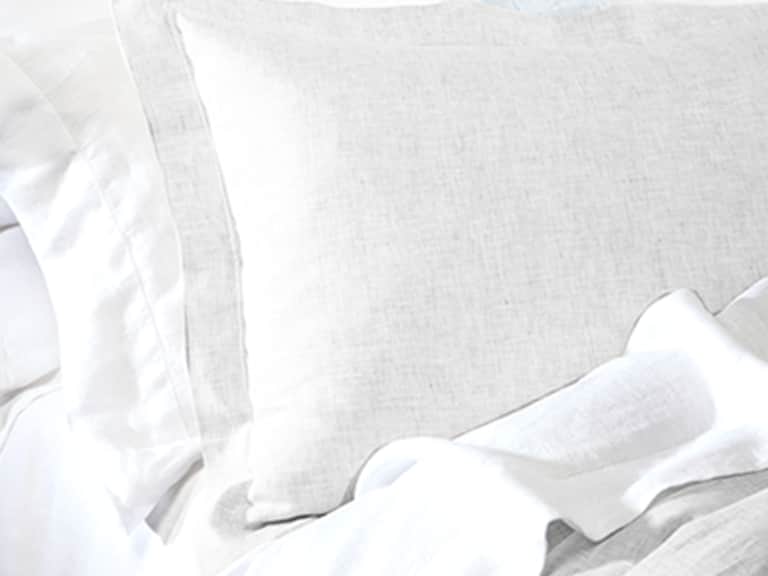
The Downtown Company Layla Linen Pillowcases offer a breathable, naturally cooling sleep surface crafted from 100% flax linen. Available in Standard/Queen and King sizes, these pillowcases are washable and designed to soften with use. They pair well with natural fiber pillows, including those made from wool or Kapok, to enhance the overall breathable sleep environment.
Dimensions: Standard/Queen 20 x 28; King 20 x 36
Brand: DownTown Company
SKU: DT Layla PC
Conclusion: aligning choice with sleep health and brand transparency
Hypoallergenic pillow fillings are less about a single universal “best” and more about finding a material family that aligns with your sleep posture, temperature preferences, allergy considerations, and maintenance capacity. This guide has traced the terrain of kapok, shredded latex, wool, and down-alternative fillings, highlighting brand-backed lines that articulate their sourcing, certifications, and care instructions. In a landscape where claims compete for attention, choosing pillows and pillow fillings grounded in transparent practices—supported by credible science and clear labeling—helps readers sleep with confidence.
Note: The article draws on brand-material profiles from Savvy Rest, Sleep and Beyond, Naturepedic, Coyuchi, and DownTown Company. All claims about materials reflect public product descriptions and standard industry practices as of 2026.