Wool bedding is valued for natural temperature regulation, moisture wicking, and climate comfort, making it a reliable option for diverse sleeping environments. This category highlights how wool fibers trap air and provide insulating yet breathable properties, supporting steady body temperature and reduced nighttime overheating during warm seasons or in variable climates.
In this overview, fibers derived from sheep wool are examined for softness, durability, and their ability to resist dust mites and allergens. Wool's structure promotes longevity and resilience, with felting resistance and consistent loft that help maintain support in pillows and other bedding components, contributing to sustained comfort over time.
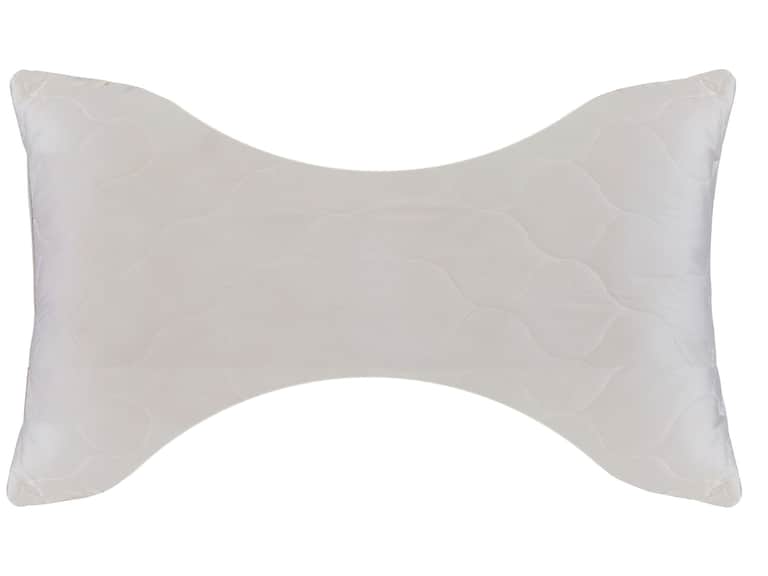
The included references to Sleep and Beyond myDual Side Pillow illustrate how wool can function alongside other materials to optimize sleep alignment. The pillow’s dual-sided design emphasizes adaptable support, while wool content enhances temperature neutrality and moisture management, reducing potential night sweats and postural discomfort.
Key features to consider when evaluating wool bedding include crimped fibers for loft, natural elasticity, and low propensity for static buildup. For sleepers seeking hypoallergenic options, wool can offer a gentle alternative, with ongoing breathability that supports different sleep positions and pressure relief without relying on synthetic additives.
Understanding the practical uses of wool in bedding helps connect material science with daily comfort. By examining how wool interacts with memory foam pillows, sheets, and latex layers, readers can appreciate the balance between support, softness, and climate regulation, guiding informed choices for durable, comfortable sleep environments.
 Bedding